I
Vision
To be a centre of excellence on naval and joint military operations and maritime security studies in the sub-region.
 Naval War College Nigeria
The Naval War College Nigeria develops senior naval officers and joint service equivalents as operational-level commanders, capable of sound decision-making in the application of maritime force as a policy option.
Guiding principle To think strategically, decide operationally, and lead the fleet with the full weight of the nation behind it.
The College was established in 2017 to enhance the operational capacity and leadership philosophy of senior naval officers, equipping them to respond effectively to the strategic, joint, and security challenges of the 21st-century maritime domain.
To be a centre of excellence on naval and joint military operations and maritime security studies in the sub-region.
To develop senior naval leaders and equivalents from other Services as Operational-Level Commanders with thorough appreciation of complex national security problems, prepared to make sound decisions in the application of maritime force as a policy option.
Instruction is delivered through lectures, seminars, syndicate discussions, war gaming, field studies, and applied research guided by faculty, directing staff, and visiting senior practitioners.
The College's academic architecture is anchored on the Naval Warfare Course and complemented by short courses, directed research, and professional engagements that together form a coherent operational-level curriculum.
A 9-months course for selected naval and joint service officers, preparing them for operational-level command and higher staff appointments.
A 3-weeks intensive course for officers preparing for command appointments, with emphasis on command responsibility, decision-making, ethics, and organisational leadership.
Theory of war, deterrence, sea-power thought, and Nigeria's strategic environment.
Gulf of Guinea security, maritime operations, blue economy and inter-agency coordination.
Inter-service planning, allied engagement, and coalition operational-level command considerations.
Supervised participant research culminating in the Course Research Paper presented before faculty.
Participation in NWCN programmes is normally by service nomination, institutional invitation, or approved professional engagement. This section can be expanded with the current course calendar, joining instructions, and downloadable nomination forms when authorised.
The College is designed for officers and equivalent personnel whose responsibilities require operational-level thinking, joint planning, maritime security awareness, and command judgment.
Qualified participants from the AFN and friendly countries nominates their personnel through official channel.
Participants receive joining instructions, administrative requirements, and course reporting details.
Selected participants report to the College in Calabar for orientation, syndicate assignment, and commencement of studies.
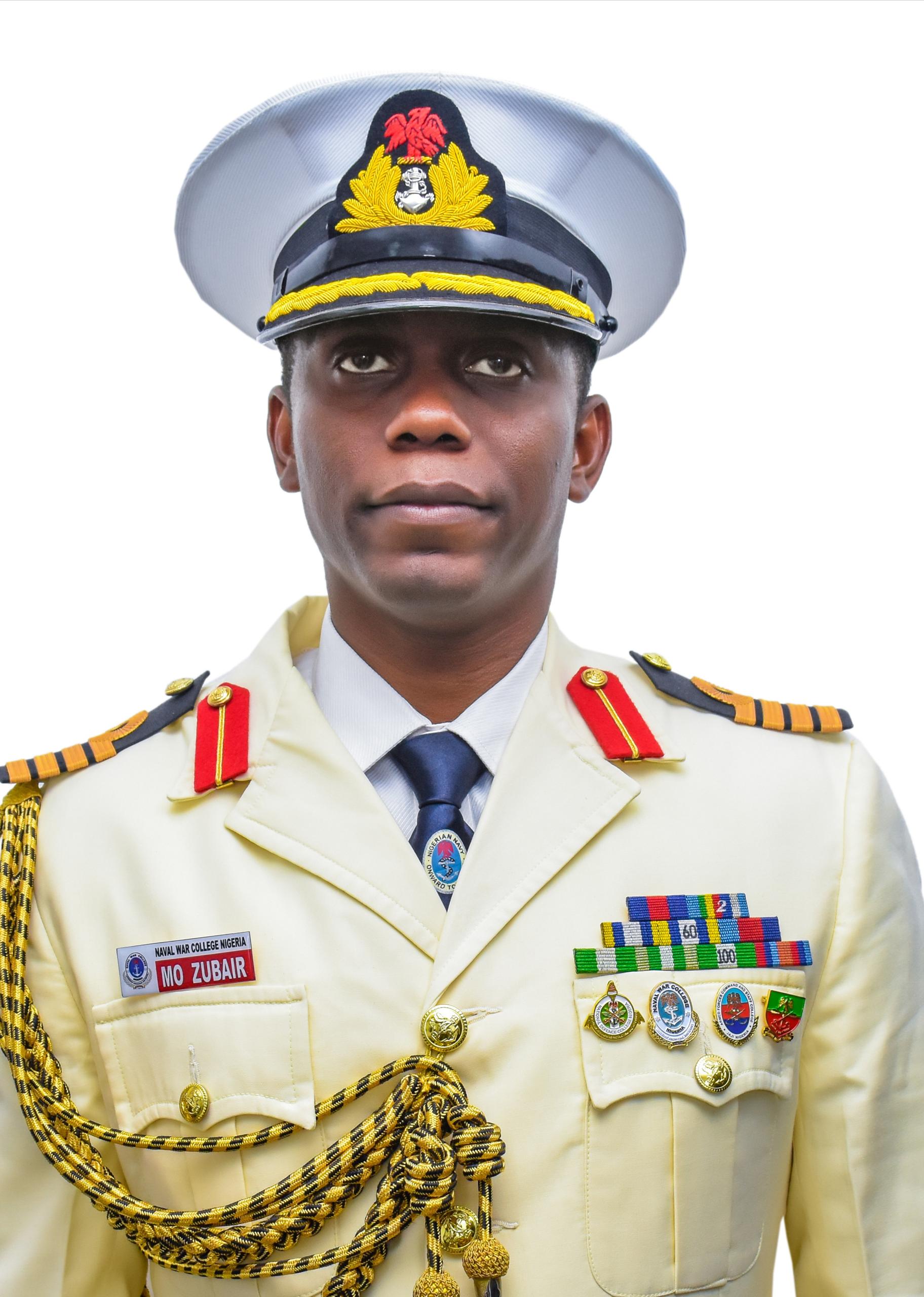
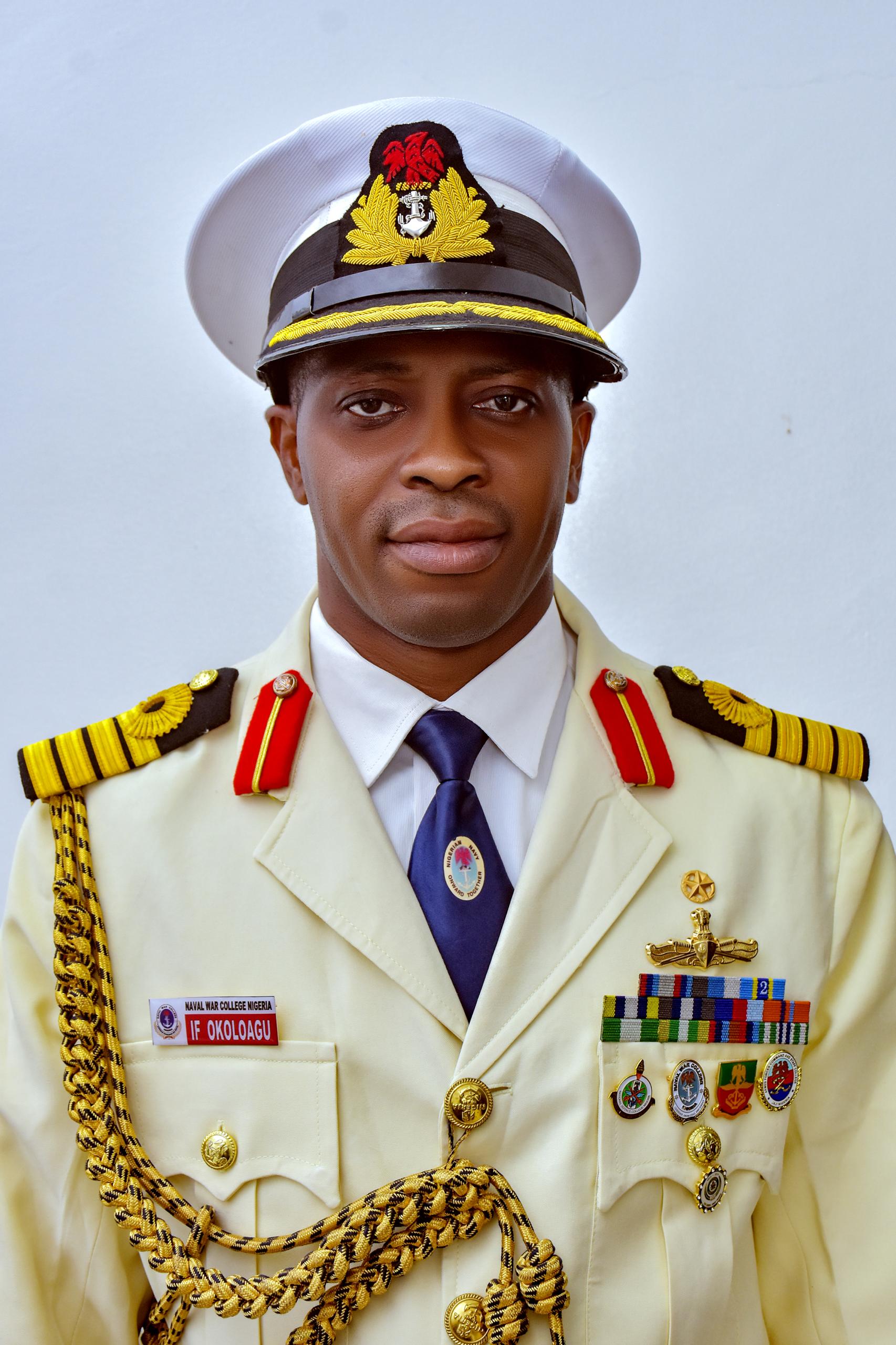
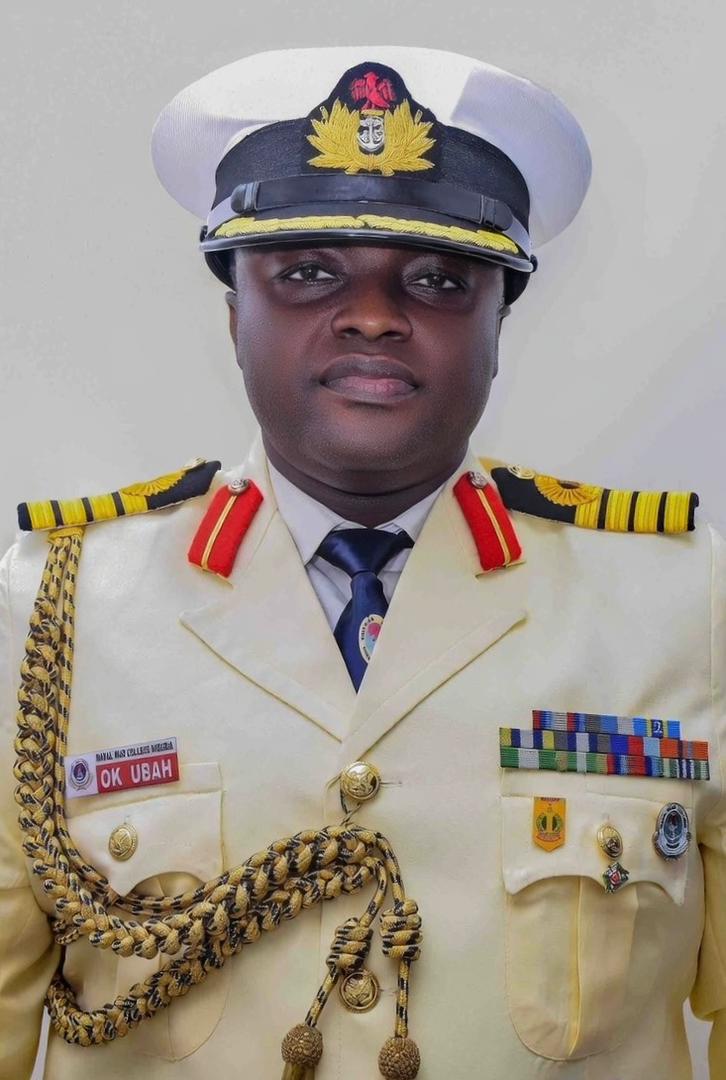
The College is led by Rear Admiral MA Muye, supported by the Deputy Commandant, directors, directing staff, and administrative officers who sustain the academic and institutional life of NWCN.
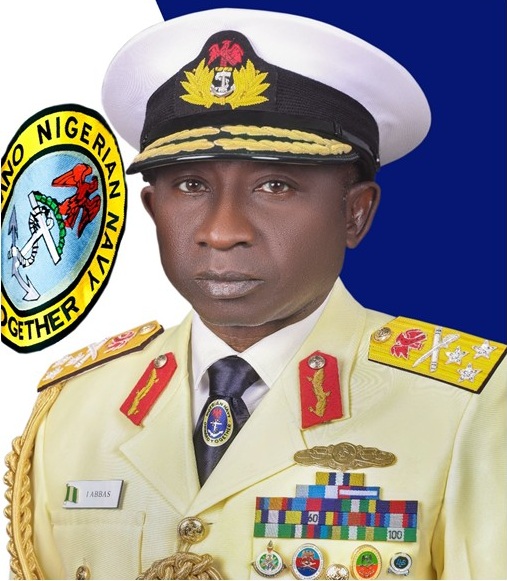
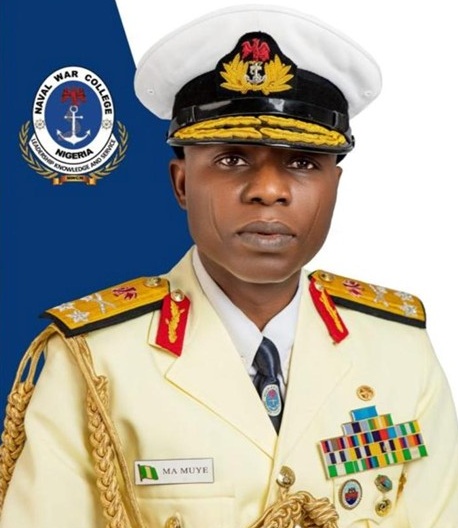
Senior Flag Officer responsible for the strategic direction, academic standards, and institutional voice of the College.
Commandant Curriculum VitaeSupports the Commandant in day-to-day academic management and external academic engagement.
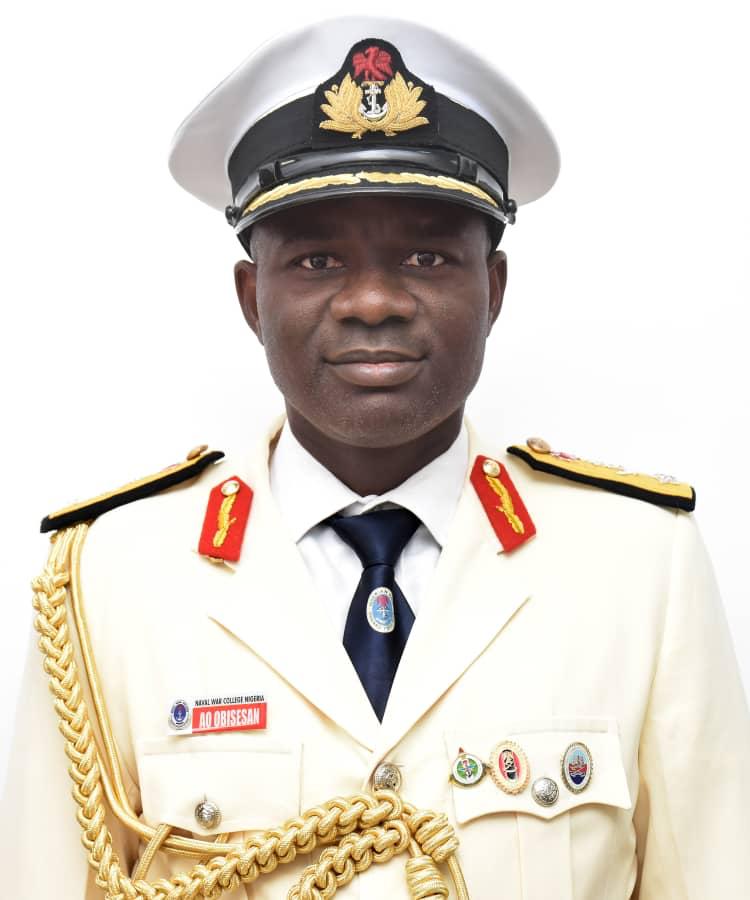
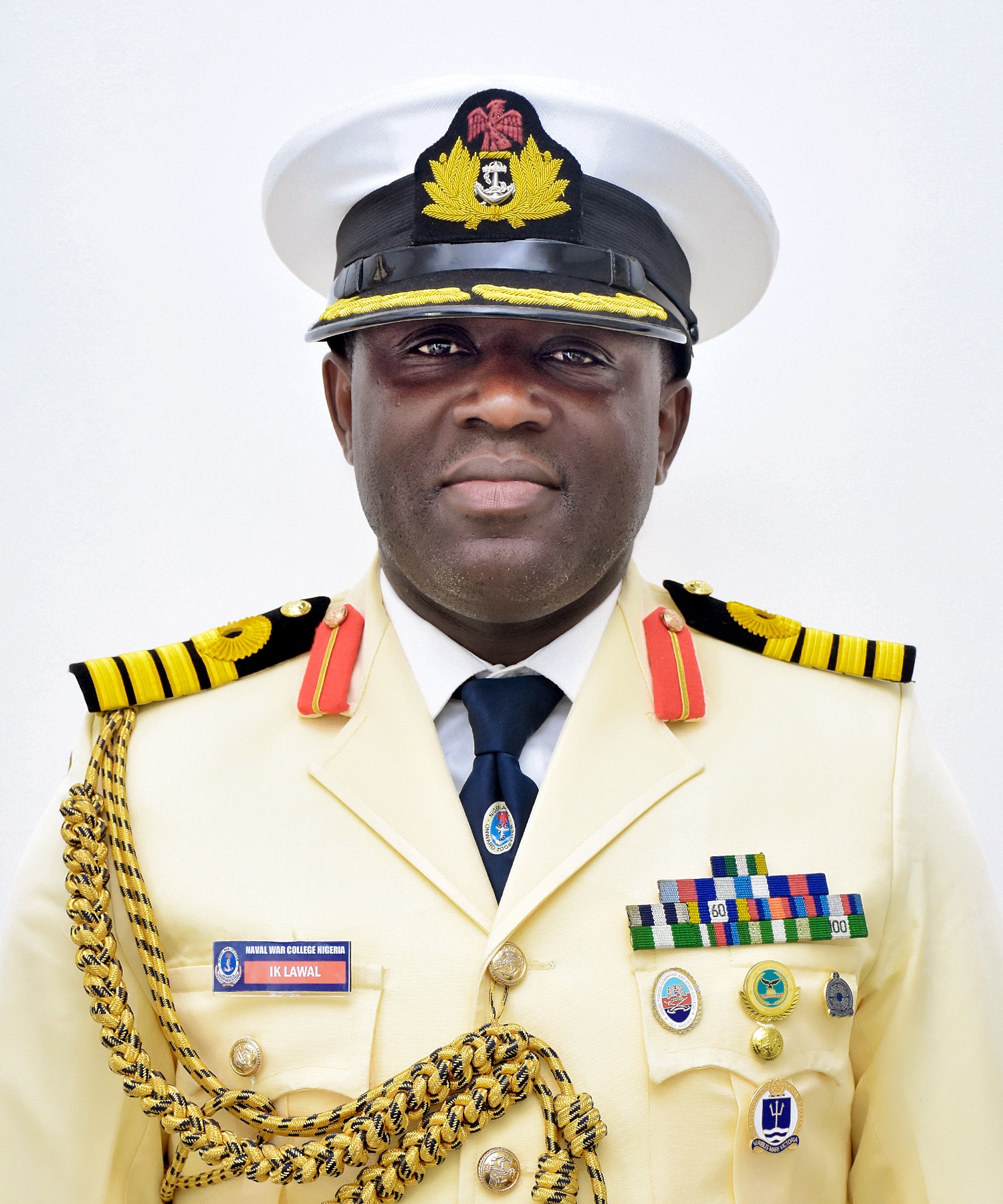
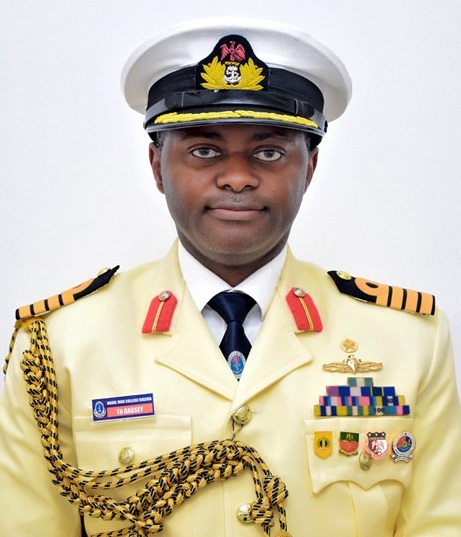
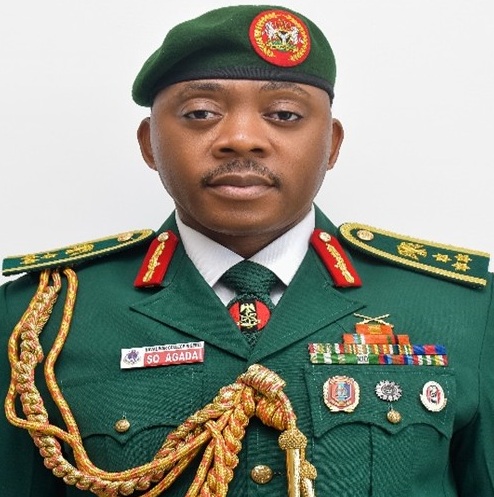
Director of Coordination
Director Academic Research and Support Services
Director Leadership and Management Studies
Director National Security Affairs
Director Strategy & Policy
Director Joint and Maritime Operations
“A war college projects thought, leadership and national purpose before it projects anything else. Our task is to prepare officers who will think, decide, and command at the operational level, with clarity, sound judgment, and a firm commitment to Nigeria’s maritime security interests.”
The College produces and curates analytical work on operational art, maritime security, and joint operations — drawn from faculty, directing staff, distinguished lectures, and participants' directed research.
A policy paper outlining engineering‑led approaches for integrating emerging technologies across Nigerian Navy platforms and infrastructure to enhance operational effectiveness, cost efficiency, and technical self‑reliance.
War games and operational exercises move participants from the seminar room to the wardroom of decision. They sharpen judgment under pressure, test plans against thinking adversaries, and reveal what good operational command actually demands.
Multi-day campaign-level problems that test plan generation, force assignment, and command decision-making.
Small-group games that pit syndicates against one another to expose assumptions and develop sound operational reasoning.
Operational visits to fleet units, joint headquarters and partner institutions — bringing the curriculum into contact with practice.
Selected exercises with participation from allied officers and partner colleges to introduce coalition dynamics.
A continuing chronicle of course inaugurations, graduations, senior visits, distinguished lectures, and international engagements that define the College's academic year.
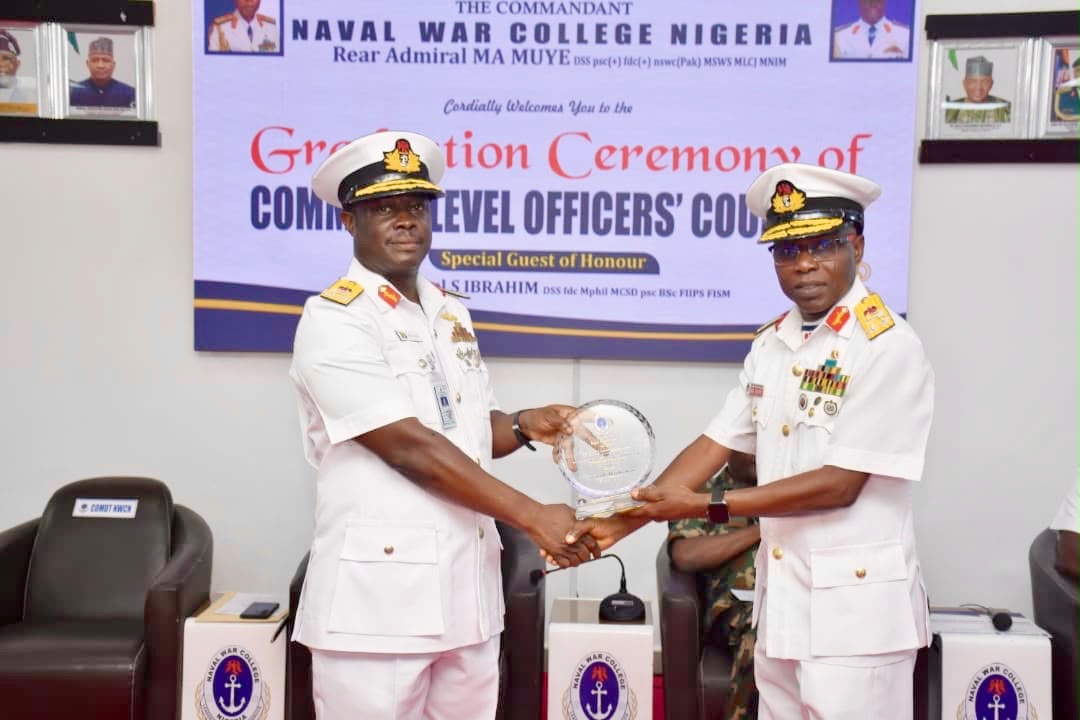
On Friday, 23 October 2026, the Naval War College Nigeria (NWCN), held the graduation ceremony for 19 participants of Command Level Officers...
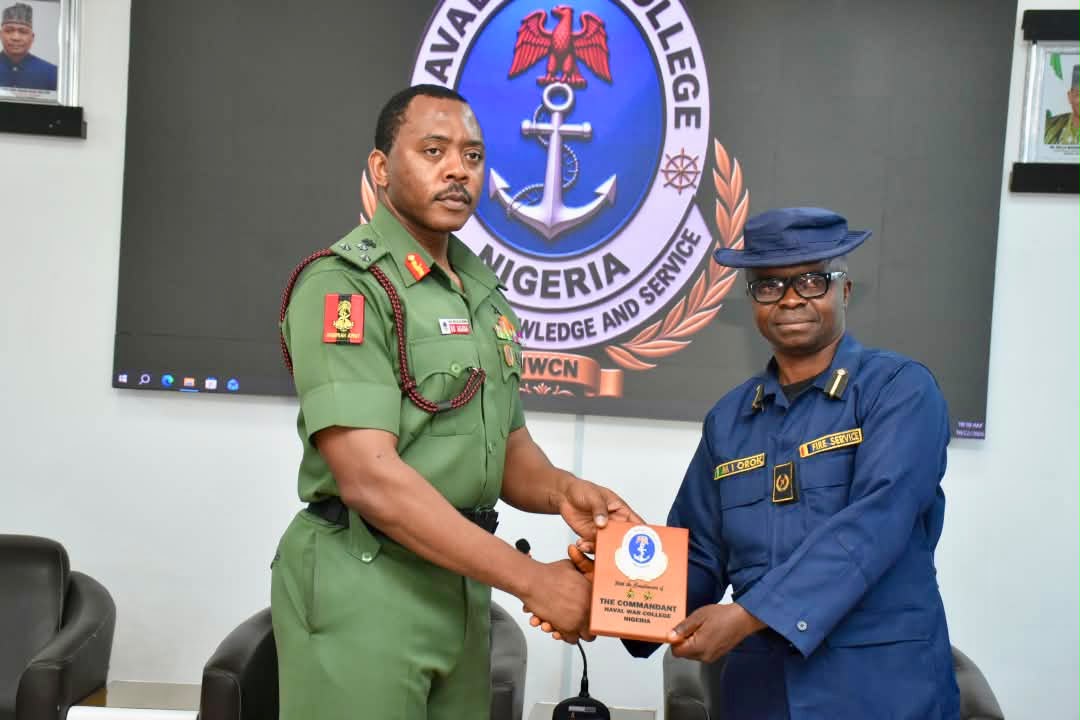
On Thursday, 22 October 2026, the Commander, Calabar Divisional Fire Station, Maxwell Ita Orok, delivered a lecture titled “Awakening of Fir...
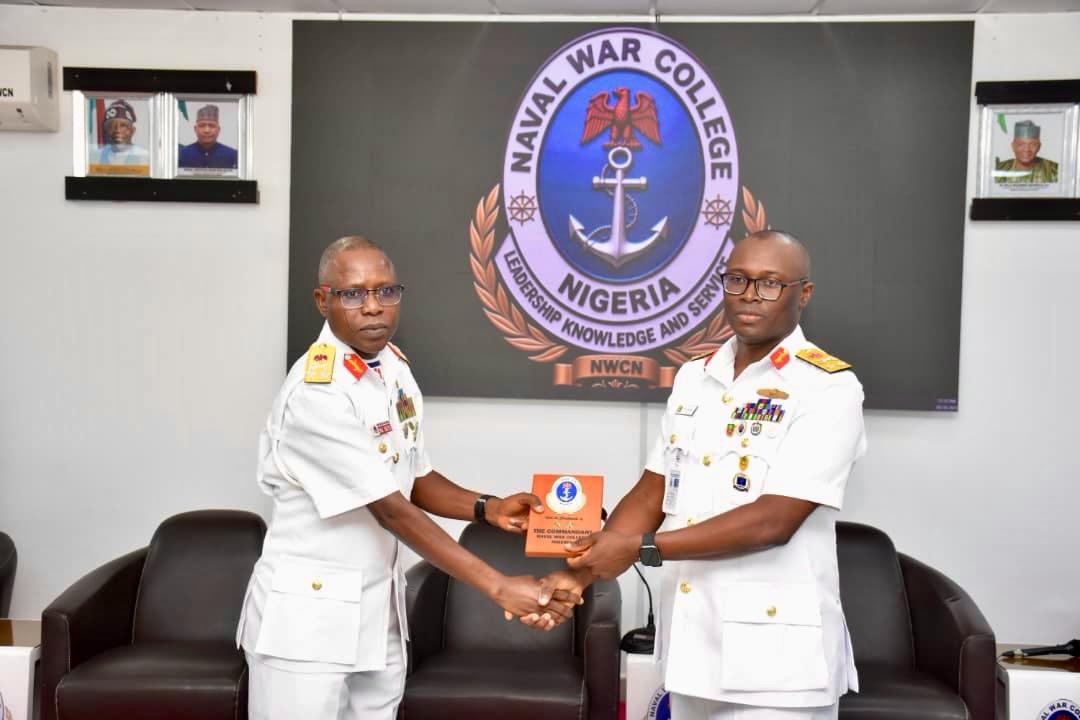
The Admiral Superintendent, Naval Shipyard Limited (ASNSL), Rear Admiral Ikenna Ugochukwu Ubani, recently delivered a lecture titled “Lesson...
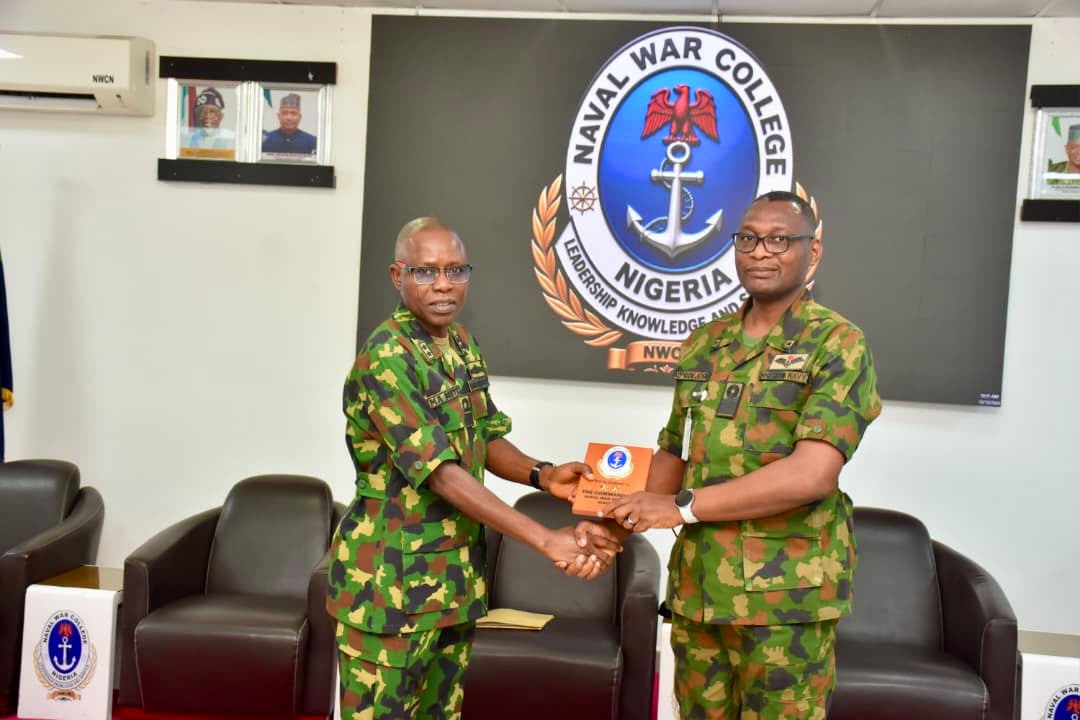
On Monday, 19 October 2026, the Director of Maritime Domain Awareness (MDA), Commodore Adewale Oladipupo Odejobi delivered a lecture titled...
The College engages across the Nigerian Armed Forces, allied war colleges, regional bodies, and academic institutions — broadening the perspectives brought to the operational-level curriculum.
Naval Warfare Course graduates serve across operational commands, joint appointments, and senior staff posts — carrying forward the College's standards in command, ethics, and strategic thought.
The alumni body is an institutional asset: a continuing conversation between today's faculty and yesterday's participants, sustaining the College's professional voice in the fleet and beyond.
Enquiries regarding participation, nomination, research engagement, and visits should be directed to the College through the official channels listed here.